

Fewer damage claims, more satisfied tenants
A tenant who lives well stays. CLIMAID looks after both the indoor climate and the property between move-in and move-out.

Stay ahead of damp and mould
Protect tenants and the property with continuous indoor-climate monitoring. Each sensor measures temperature, humidity and the conditions that lead to damp damage and mould — and the subscription turns those readings into early warnings, documentation and peace of mind.
Built for NRLA members and smaller landlords who want to keep homes healthy, meet their obligations and catch problems before they become expensive repairs.
The damage shows up at move-out
Damage is typically found at move-out, when the bill is highest and responsibility hardest to assign. Continuous documentation is rare.
Fewer move-out disputes
Readings from the whole tenancy show when the damp arose — and who is liable.
Protect the property
A leak under the kitchen sink reports itself the same day, not when the floor buckles.
Tenants who stay
No damp and no cold living rooms means fewer complaints and longer tenancies.
From measurement to action
- Wireless sensors are fitted without altering the building
- Data is collected and analysed continuously in CLIMAID INSIGHT
- You get alerts and recommendations before problems grow
- The effect is documented in reports you can use

Damp during the tenancy
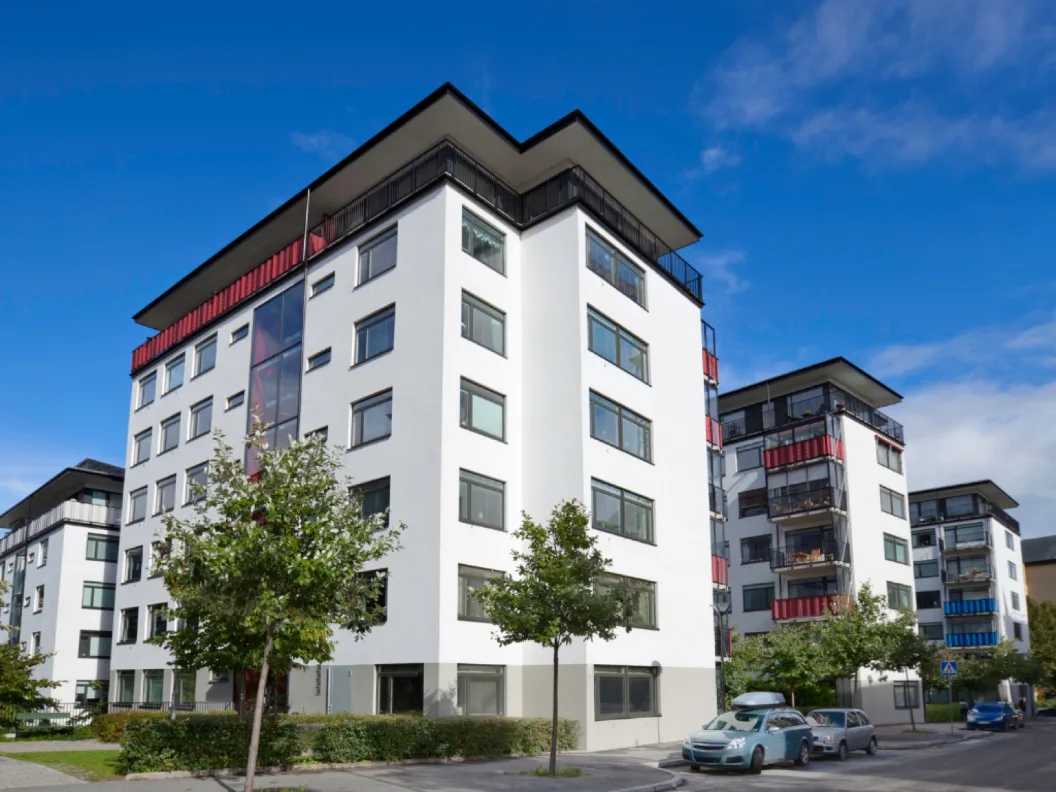
In a rented home, damp damage is often only found when the tenant moves out. By then the moisture has usually been affecting the materials for months, and it is hard to say when the problem began. A single mould case can cost from DKK 50,000 to several hundred thousand to put right, and on top of that come rehousing and lost rental income.
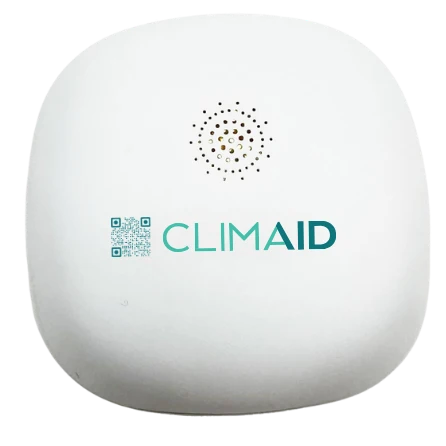
CLIMAID measures temperature and humidity in the home throughout the tenancy and calculates the mould risk. When the risk rises, the tenant and the landlord are alerted with specific advice while the problem can still be solved with airing and heating.

Evidence at move-out
When the home has been measured throughout the tenancy, you can see when the damp appeared and what most likely drove it. If humidity is high around the clock with no clear pattern, that points to ventilation or the structure. If it is mainly high at certain times, that points to behaviour. Both parties can see the same readings, and the assessment rests on data rather than on the damage visible on the day.

Leaks found the same day
The leak sensor goes under the washing machine, in the plant room or by pipe penetrations. It detects both water and moisture in the material and raises an alarm within minutes. A leaking hose under the kitchen sink shows up the same day, not when the floor starts to buckle.

Smoke alarms with monitored status
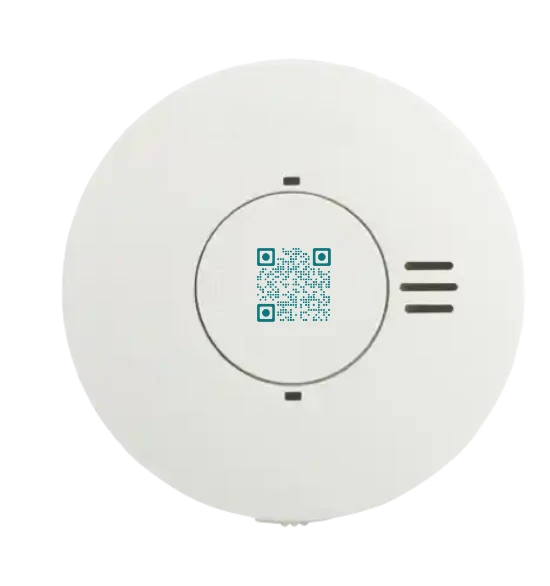
The wireless smoke alarms warn the tenant and also report their battery and operating status to CLIMAID INSIGHT. You can see that the alarms work without knocking on every door, and an inspection can be recorded with the QR code on the alarm.

Installation without network access
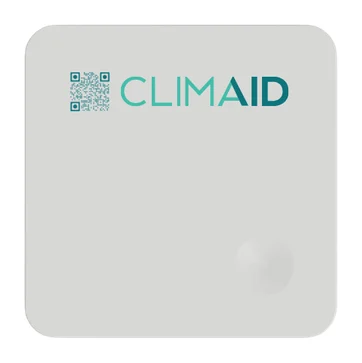
The sensors are fitted without cabling or building work, and the battery lasts up to 10 years. They send data wirelessly and use neither the tenant's power nor their network. With the QR code on the indoor climate sensor, tenants can follow the indoor climate in their own home, which makes the conversation about airing out concrete.
Questions and answers
Shall we look at your buildings?
Book a no-obligation meeting — we will calculate your concrete potential.