
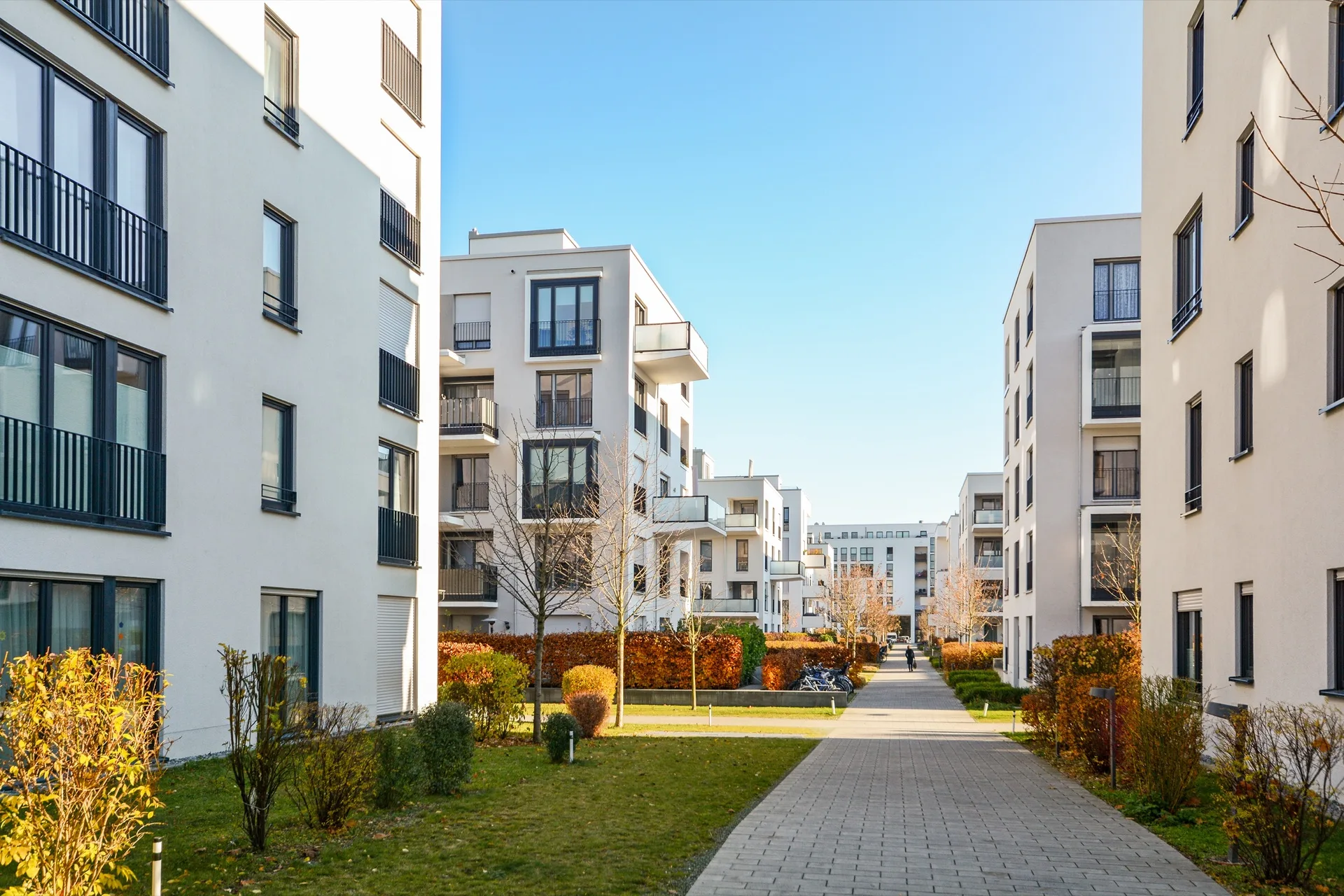
Healthier homes, lower running costs
Damp and mould fill the case pile and the residents' everyday life. CLIMAID measures in every home and warns you before a damp patch becomes a rehousing case.

Stay ahead of damp and mould
Protect residents and buildings with continuous indoor-climate monitoring. Each sensor measures temperature, humidity and the conditions that lead to damp damage and mould — and the subscription turns those readings into early warnings, documentation and peace of mind.
Built for NRLA members and smaller landlords who want to keep homes healthy, meet their obligations and catch problems before they become expensive repairs.
Damp is discovered when the resident complains
Many housing departments only find damp problems when residents complain — by then the damage is done. At the same time heating use is hard to control, because nobody knows exactly where it goes wrong.
Fewer mould cases
The alert comes while it is still condensation on a cold external wall — not when the wallpaper lets go.
Lower heating bill
Heating follows the homes' actual needs. Consumption falls without anyone getting cold.
Numbers for the residents' meeting
Consumption and indoor climate in figures residents understand and the board can decide from.
From measurement to action
- Wireless sensors are fitted without altering the building
- Data is collected and analysed continuously in CLIMAID INSIGHT
- You get alerts and recommendations before problems grow
- The effect is documented in reports you can use

Damp and mould in social housing
A mould case rarely starts with a complaint. It starts with moisture building up over weeks and months in corners against the outside wall, behind furniture and around windows. By the time the resident calls, the damp has usually been affecting the materials for a long time. A single mould case can cost from DKK 50,000 to several hundred thousand to put right, and on top of that come rehousing and lost rental income.
CLIMAID measures temperature and humidity in every home around the clock. CLIMAID INSIGHT calculates the mould risk from the readings and weather data. When the risk rises, both the resident and the operations team are alerted with specific advice, such as airing out more or keeping the bedroom above 18 °C. In social housing, the early damp alerts have meant no new mould cases in 12 months.

One sensor per home
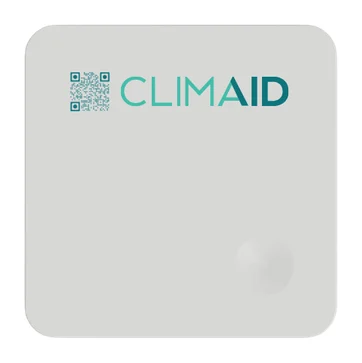
In most homes one correctly placed sensor is enough. The moisture in the air is very similar from room to room when you look at data over several days, so a sensor in the living room gives an accurate picture of the whole home. The sensor sits on an inside wall and is fitted without cabling or building work. The battery lasts up to 10 years, and the data is sent wirelessly without access to the resident's network.
When every home in a stairwell is measured, the operations team can see whether a problem is local or shared. If one home reads high, that points to behaviour or a local fault. If the whole stairwell reads high, it is typically the ventilation system.

Residents as partners
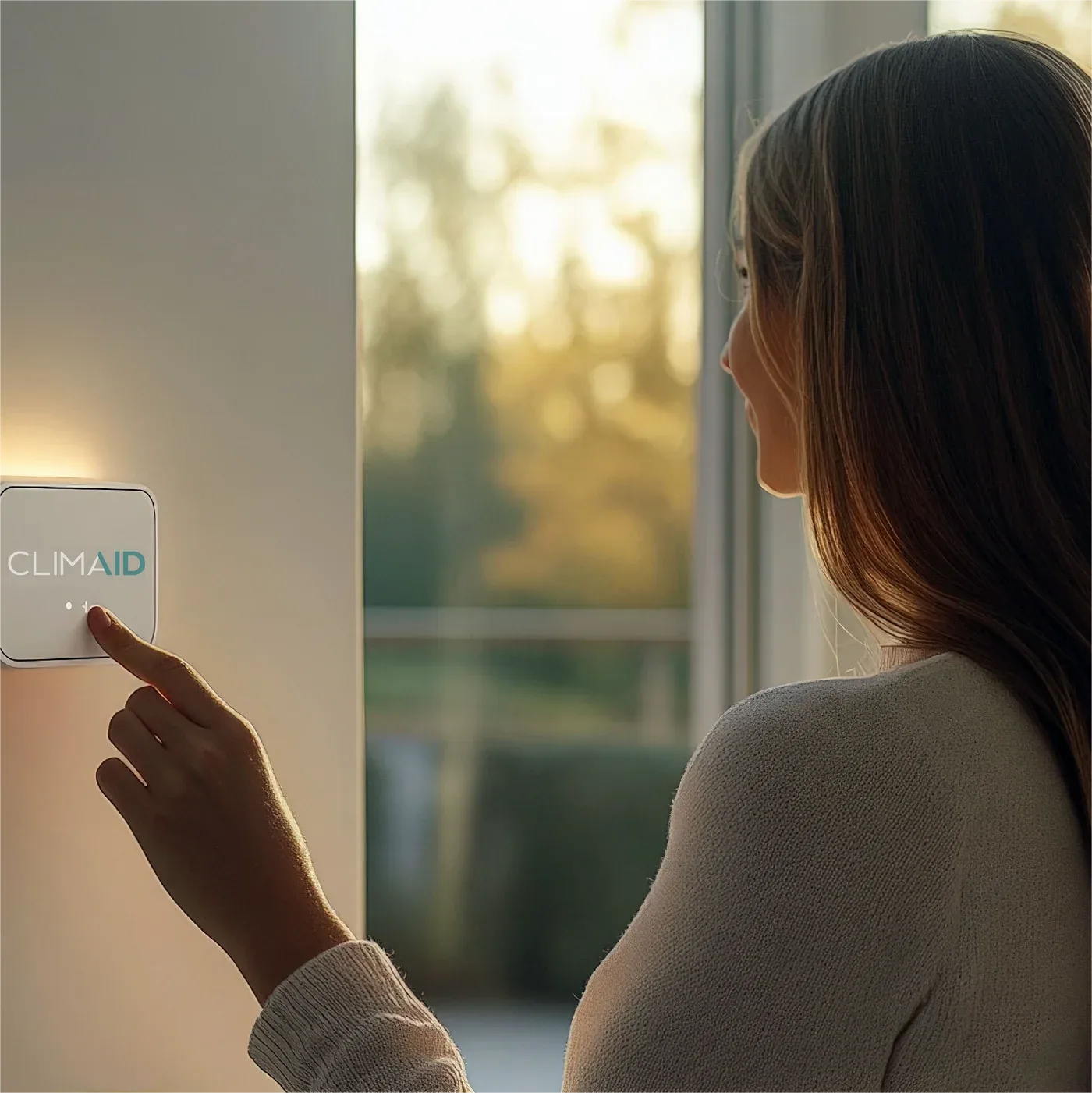
Most residents know the advice on airing out and heating. In everyday life, habits, comfort and the heating bill weigh more. With the QR code on the sensor, residents can follow the indoor climate in their own home. When the conversation starts from readings rather than assumptions, it becomes more constructive, and the focus moves from blame to solutions.

Heating control and energy
With CLIMAID SMART, the algorithm in CLIMAID INSIGHT adjusts the heating flow so that radiators and underfloor heating deliver the heat the homes need. In social housing, active control of heating and ventilation has cut heating consumption by 15 % without compromising comfort.


The economics for an estate
In the business case for a social housing estate with 461 homes, costs fall by €108,400 a year. The saving comes from a lower heating bill, less mould and damp and fewer water damage claims. The solution costs €23,000 a year to run once the equipment is bought, so the estate saves €85,400 every year, or about €190 per home. The investment has paid for itself in under a year.

Documentation and follow-up
The reports in CLIMAID INSIGHT show consumption and indoor climate for each home and for the whole estate. The effect of a measure, such as a repaired fan or a changed filter, shows in the data. The readings can serve as a shared starting point in a complaint and as figures for the residents' meeting.
Questions and answers
Shall we look at your buildings?
Book a no-obligation meeting — we will calculate your concrete potential.