
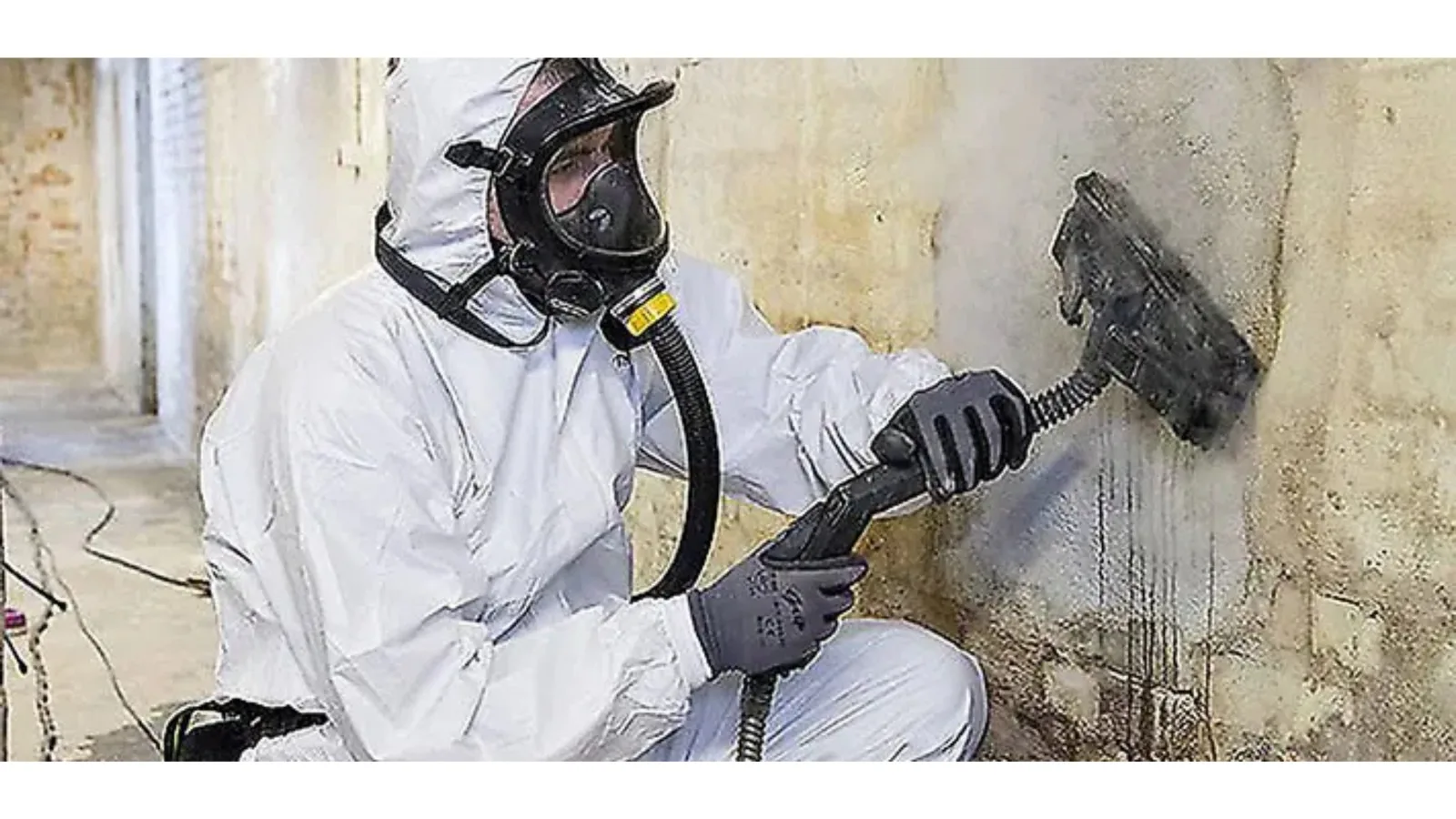
Why damp and mould problems are discovered too late in homes
In many homes damp and mould problems are only discovered when the consequences are impossible to miss: discoloured walls, flaking paint, condensation on windows or smells.
Damp problems begin long before they become visible
In many homes damp and mould problems are only discovered when the consequences are impossible to miss: discoloured walls, flaking paint, condensation on windows or smells. By then the moisture has usually affected materials and the indoor climate for a considerable time.
In practice that makes the response reactive: action is taken once the damage is done — not when the risk arises. That makes remediation more expensive, more disruptive and more contentious for everyone involved. But why are the problems found so late?
Mould is rarely the cause — it is a symptom
Mould is often taken to be the problem itself. In reality mould is almost always a sign of persistent moisture load. It does not appear on its own, but as the result of an interplay between moisture, temperature and time. The moisture can come from many sources:
- residents' daily activities (showering, cooking, drying laundry)
- insufficient ventilation
- construction moisture in new or renovated buildings
- leaks in the building envelope
- moisture transport within structures
What these sources have in common is that they affect the home continuously — but often without visible signs at first. By the time mould becomes visible, the damp problem has usually been present for a long time.
The classic approach: visual signs and spot measurements
Traditionally, damp problems in homes are handled on the basis of:
- visual observations
- smells and complaints from residents
- one-off moisture measurements
- judgement and experience
The challenge is that these methods capture the late symptoms, not the early development. Moisture behaves dynamically and varies through the day and the seasons. A home can look dry and sound at an inspection — and still face repeated moisture loads at other times of day.
Spot measurements therefore often give false reassurance: "Everything looks fine right now."
Damp problems develop slowly — and out of sight
Damp problems in homes rarely arise acutely. They build gradually as a result of repeated loads:
- slow drying out after showering
- high humidity at night
- cold surfaces in corners and behind furniture
- reduced ventilation during winter
These conditions can persist for months or years without residents or operations staff necessarily reacting. Only when materials start to suffer, or the indoor climate noticeably deteriorates, does the problem become visible. By then the options are often limited — and expensive.
A reactive approach creates uncertainty and disputes
When damp problems are only found late, uncertainty often arises about:
- the cause of the problem
- who is responsible
- which measures are needed
- whether the problem can recur
That can lead to disputes between residents, operations staff and owners — particularly if assessments rest on assumptions rather than documentation. In many cases the symptoms are treated without the real cause being identified and resolved.
A shift in perspective: from symptoms to patterns
Modern measurement methods make it possible to shift the focus from late symptoms to early patterns. Continuous measurement of temperature and relative humidity shows how the home actually performs over time — not just in a single moment.
Instead of asking "is there damp right now?", you can ask: "how does the moisture develop across days, weeks and seasons?"
It is precisely this difference that makes it possible to find problems before they turn into damage.
Early insight gives better prevention
When moisture patterns can be documented over time, it becomes possible to:
- identify recurring loads
- distinguish between behaviour, technology and structure
- target measures more precisely
- prevent damage rather than repair it
That means fewer surprises, better prioritisation and a healthier indoor climate — for residents and buildings alike.
From firefighting to systematic prevention
The fact that damp problems are found too late in homes is not a sign of a lack of will or attention. It is mainly because traditional methods are not geared to a problem that develops slowly and out of sight. By working systematically with data, the effort can shift from reactive firefighting to documented, data-driven prevention.
That provides a very different basis for operations, advice and decisions — and reduces the risk of damage, complaints and unnecessary costs.
FAQ — frequently asked questions about damp in homes
Why are damp problems found so late?
Because damp often develops out of sight over a long period, and traditional methods mainly react to visible signs.
Is mould always a sign of a serious problem?
Mould is almost always a sign of persistent moisture load and should be investigated further.
Can damp be a problem without visible signs?
Yes. Many damp problems exist for a long time before visible damage appears.
How can damp problems be better prevented?
By understanding how moisture develops over time and responding to early patterns rather than late symptoms.
Shall we look at your buildings?
Book a no-obligation meeting — we will calculate your concrete potential.